
Program · Health Microgrids
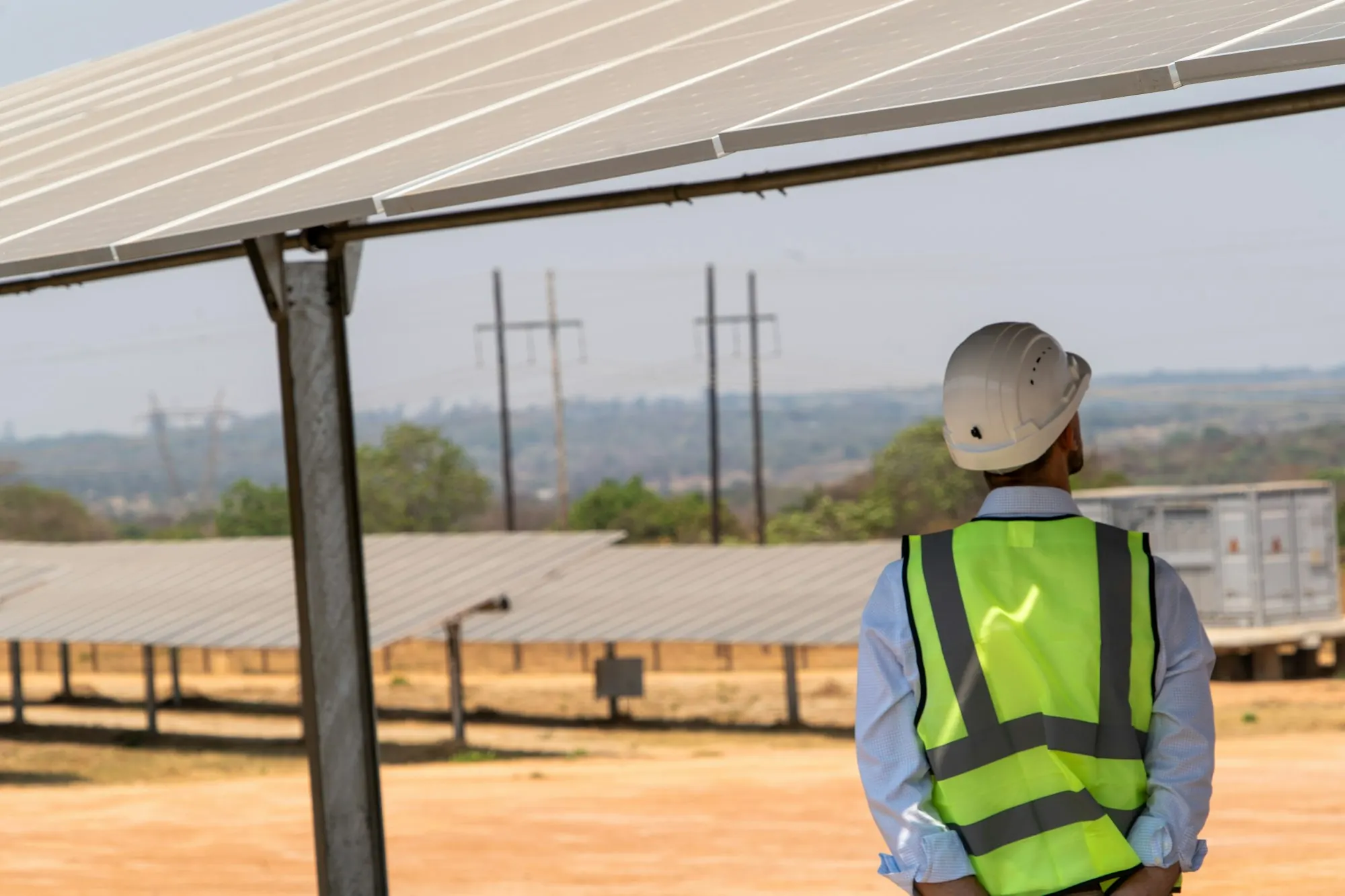
A new model for resilient local healthcare infrastructure
Transforming single facilities into interconnected energy hubs that power entire health ecosystems.
Why a new model
The problem with one-off installations
Isolated systems solve today’s outage but leave facilities and communities without a path to scale.
- Limited to single facility needs
- No economies of scale
- Fragmented maintenance and support
- Missed opportunities for community impact
- Higher per-unit costs
The microgrid approach
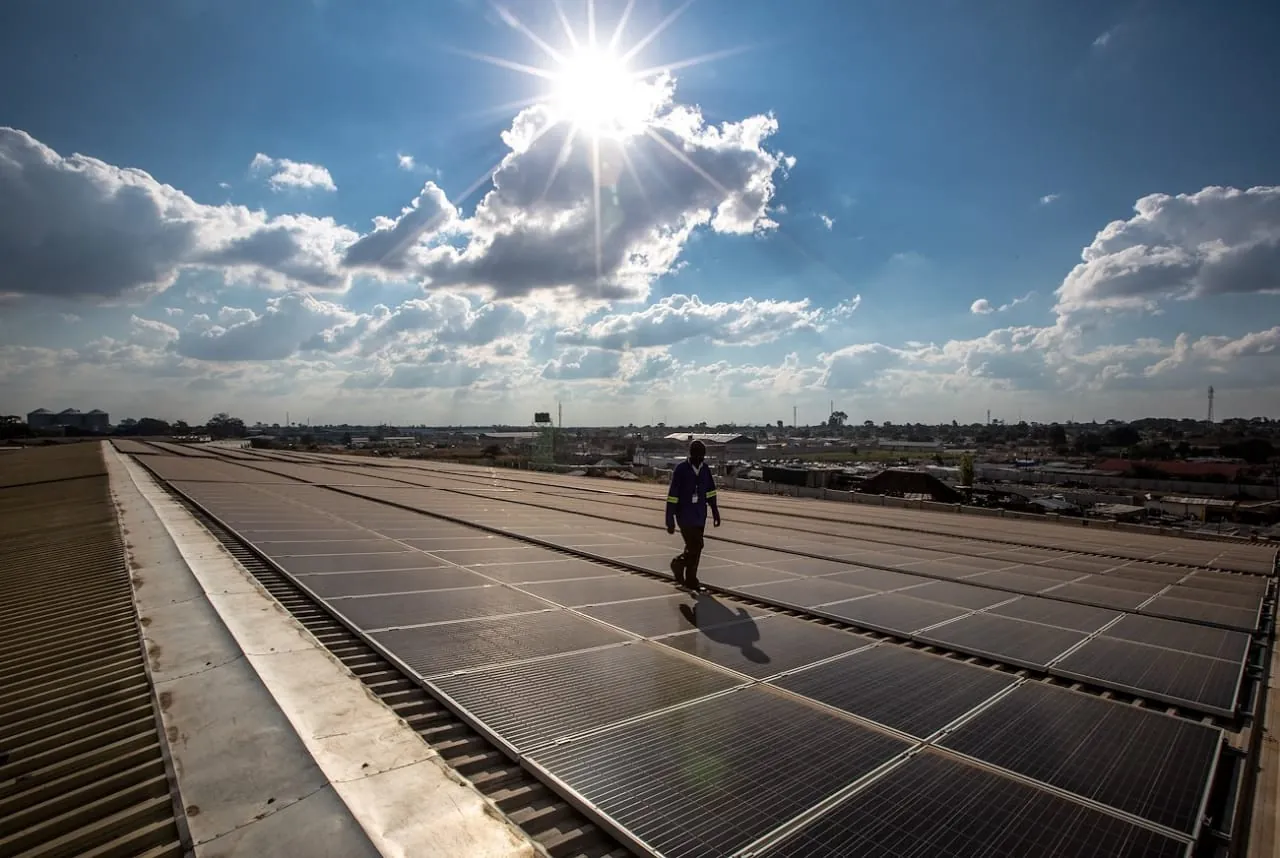
One anchor facility. Shared infrastructure. Community-wide resilience.
The anchor
The clinic as anchor load
The health facility provides stable, predictable energy demand that justifies infrastructure investment.
- Consistent daily power consumption
- Critical load priority
- 24/7 operation requirements
- Professional maintenance capacity
Services powered
What the microgrid supports
Primary healthcare
Cold-chain storage
Water systems
Digital health
Staff housing
Community services
Digital layer
Digital monitoring and resilience analytics
- Real-time performance trackingMonitor generation, storage, and consumption patterns
- Predictive maintenanceAlerts for equipment servicing needs before failure
- Resilience scoringQuantitative assessment of system reliability
- Remote managementCloud-based control and optimization
Microgrid overview
Example monitoring metrics
- Uptime
- 99.5%
- Efficiency
- 94%
- CO₂ saved
- 12T
- Monitoring
- 24/7
Growth path
From one facility to a local network
Each phase builds on the last, so investment grows with demand and impact.
Step 1
Single facility
Anchor clinic with solar and storageStep 2
Extended services
Add cold chain, water, and digital healthStep 3
Satellite sites
Connect nearby clinics and pharmaciesStep 4
Community hub
Full ecosystem with productive use

Financing
Partnership and financing models
Public-private partnership
Energy service company
Community ownership
Health network rollout
Explore partnership
Build infrastructure that serves entire communities
Health facilities anchor the grid, and the whole community benefits. Let’s discuss how we can work together to create lasting impact.
Community impact
Scalable solutions
Financial innovation

Start a partnership discussion
Let’s power a healthier community together
Health ministries, donors, clean-tech partners, and facility networks all have a role in building healthcare continuity.