Health facilities
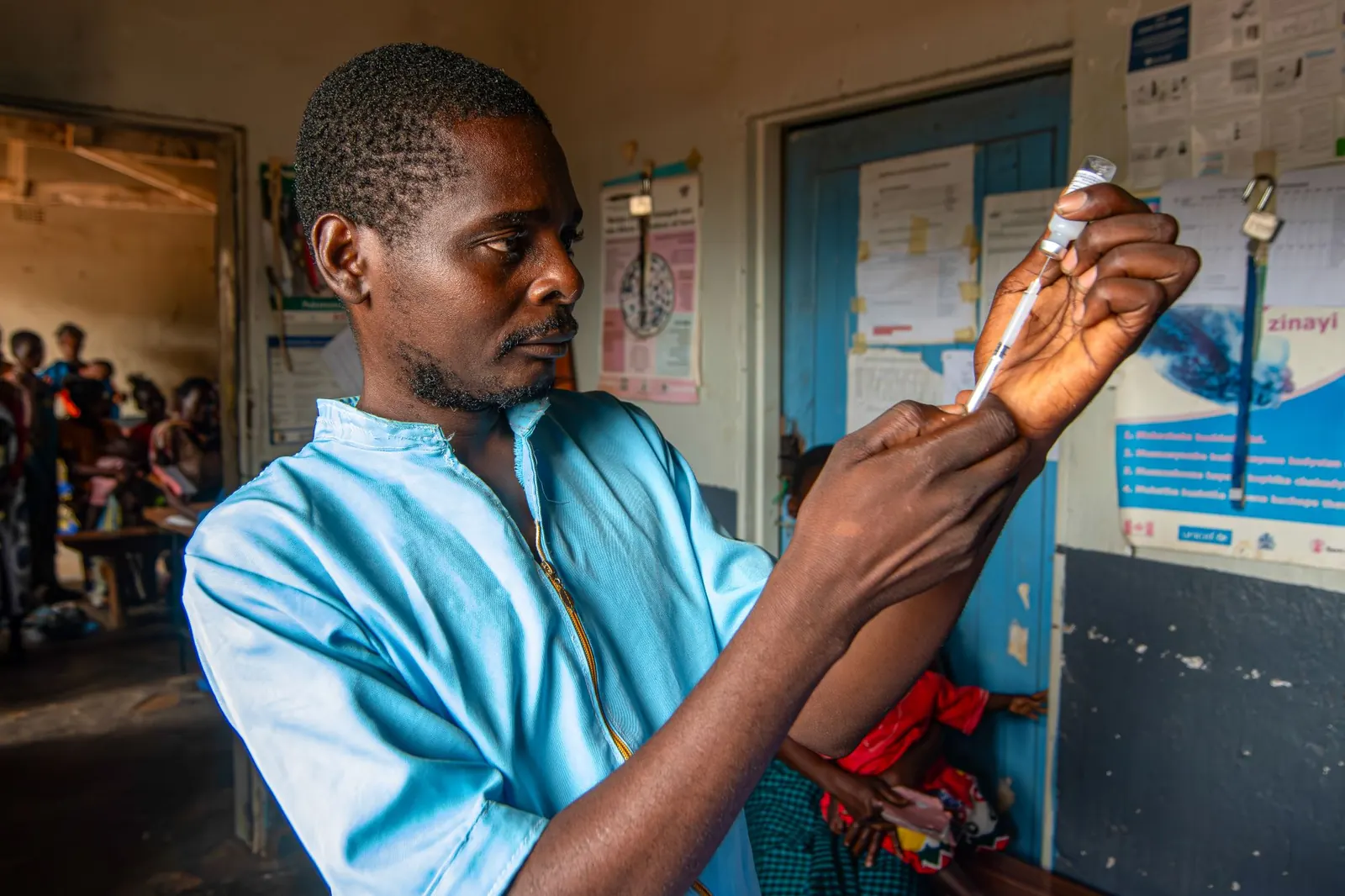
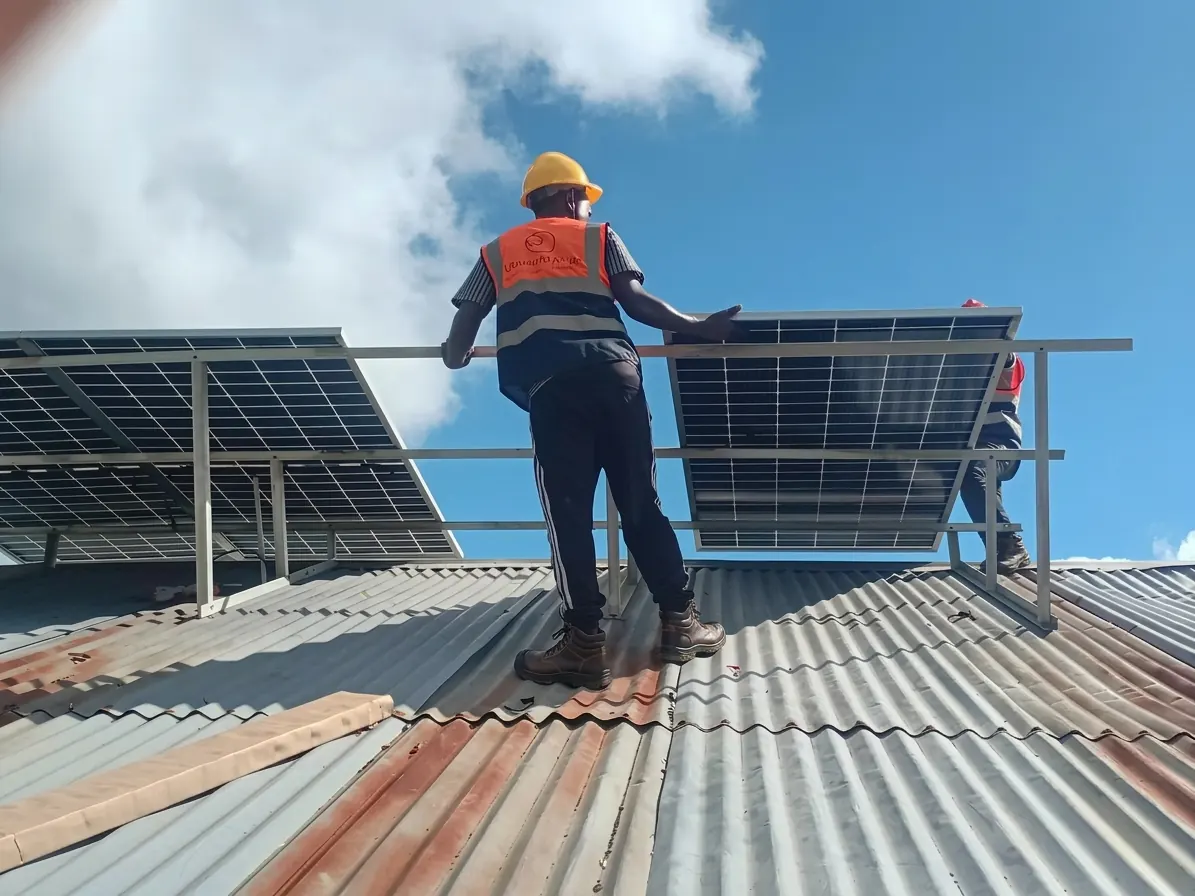
Dispensaries, health centers, polyclinics, pharmacies and laboratories that cannot afford to lose power mid-care.
- Cold chain and diagnostics protected
- Health microgrid pathway
- Works with AfyaBooking AI
AfyaSolar
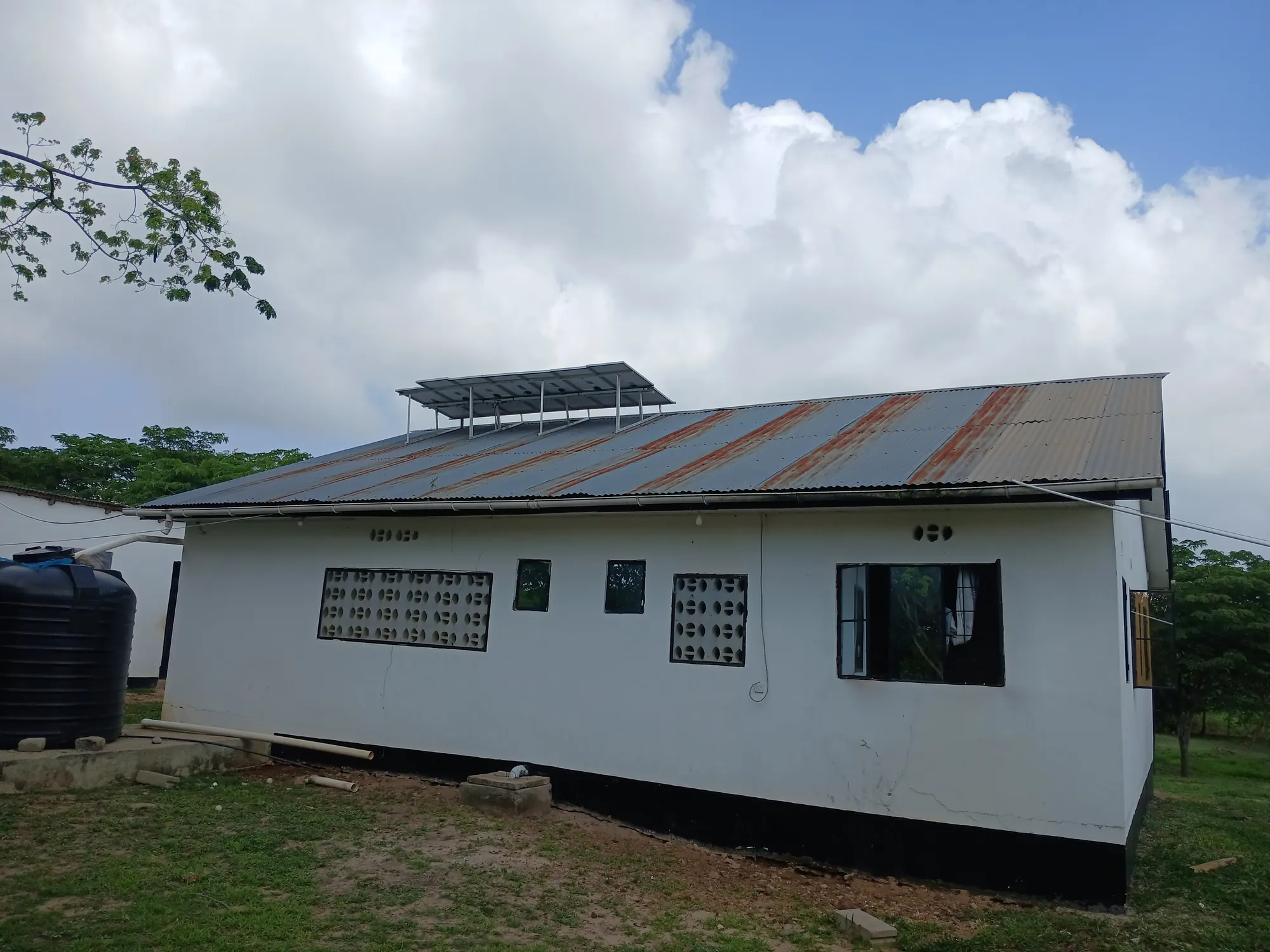
Reliable solar energy, battery backup, vaccine refrigeration, climate resilience monitoring, and scalable health microgrids, with payment options that fit your budget.
Who we serve
AfyaSolar started in primary healthcare, and the same engineering now powers SMEs and other businesses across Tanzania.
Dispensaries, health centers, polyclinics, pharmacies and laboratories that cannot afford to lose power mid-care.
Shops, salons, offices, workshops, guest houses and agri-processors that lose income and stock every time the grid goes down.
Schools, offices, guest houses, warehouses and agri-processors that need dependable power for longer hours and heavier loads.
The challenge
Power problems become care problems. These are the gaps we design every installation to close.
Outages interrupt lighting, diagnostics, tills and equipment in the middle of the working day.
Temperature swings during power gaps put stored vaccines and medicines at risk.
Thin infrastructure limits the range of services a site can safely offer.
Most sites never see how much power they use, waste, or pay for each month.
Floods, heat, and storms take sites offline exactly when demand is highest.
What’s included
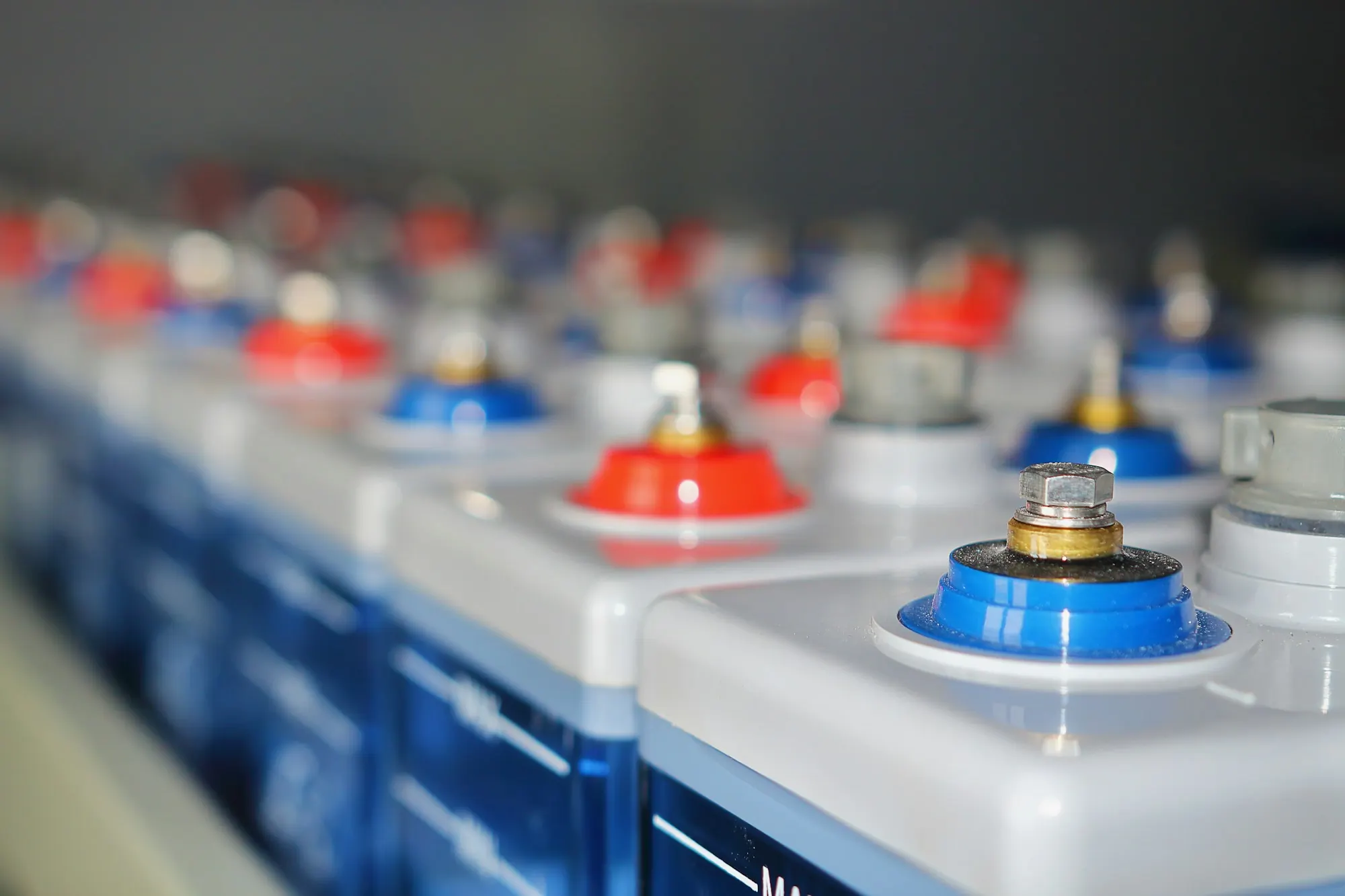
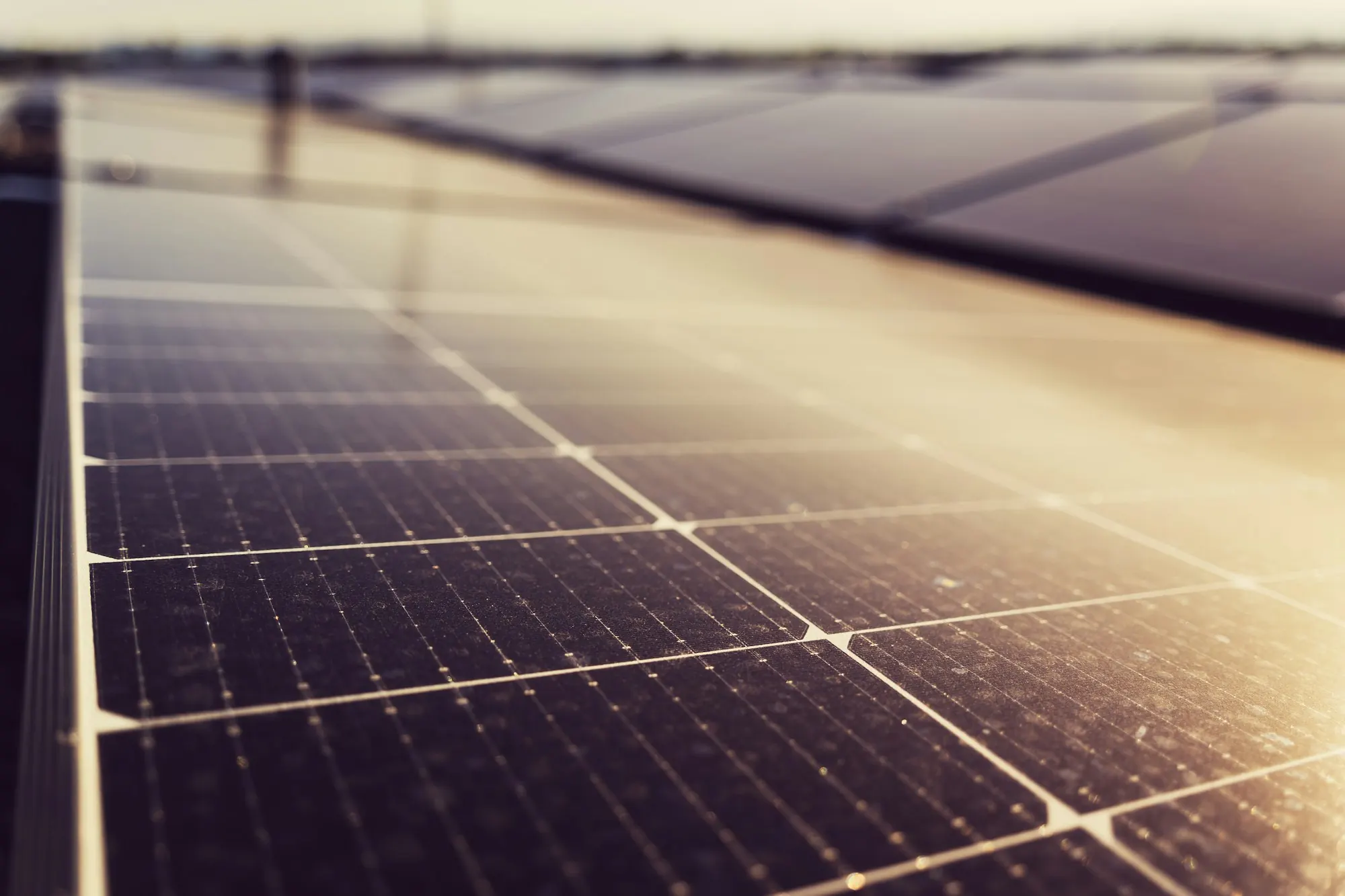
Reliable solar energy generation and storage
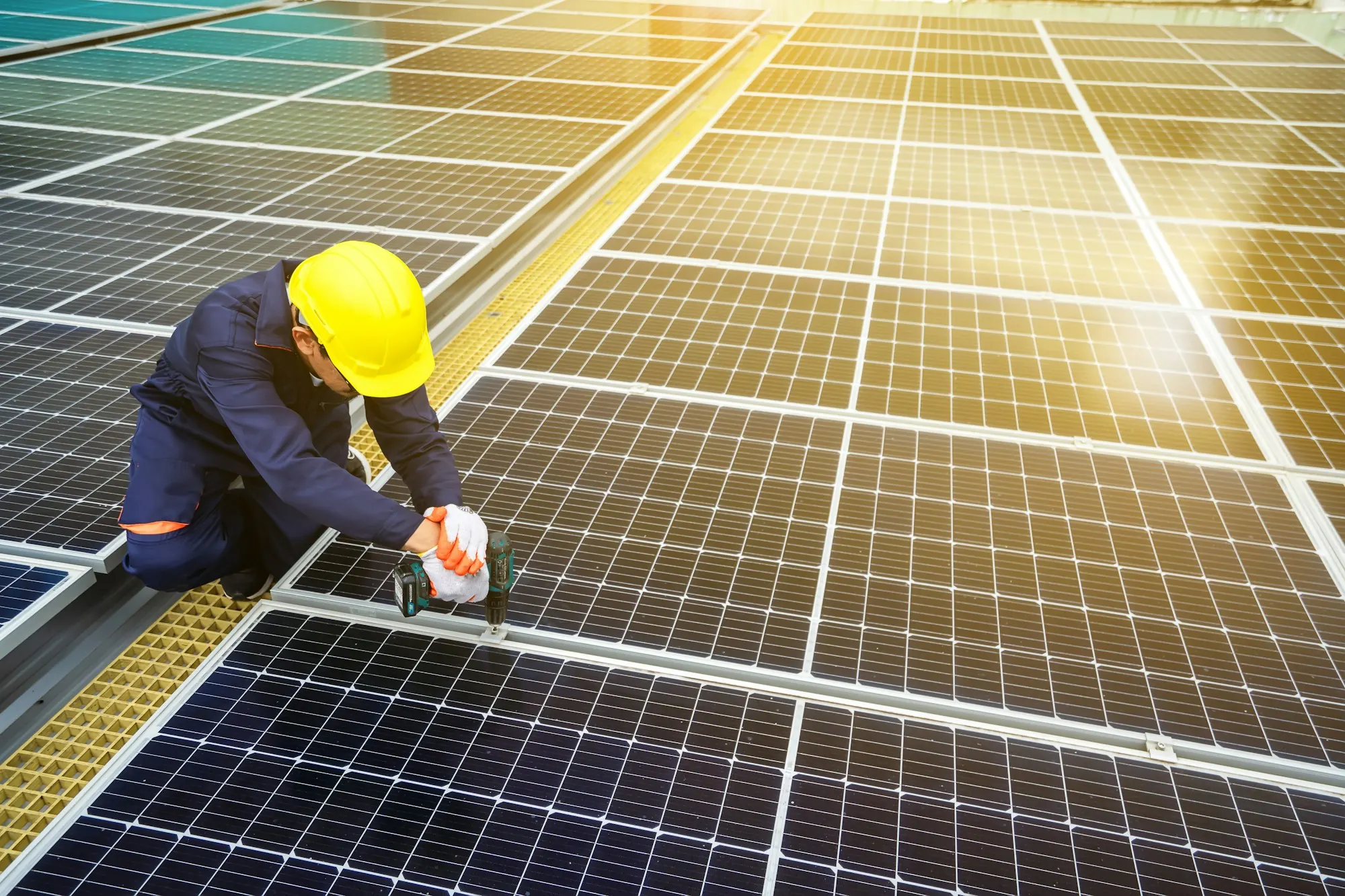
High-efficiency solar panels with battery storage systems sized for your critical loads.
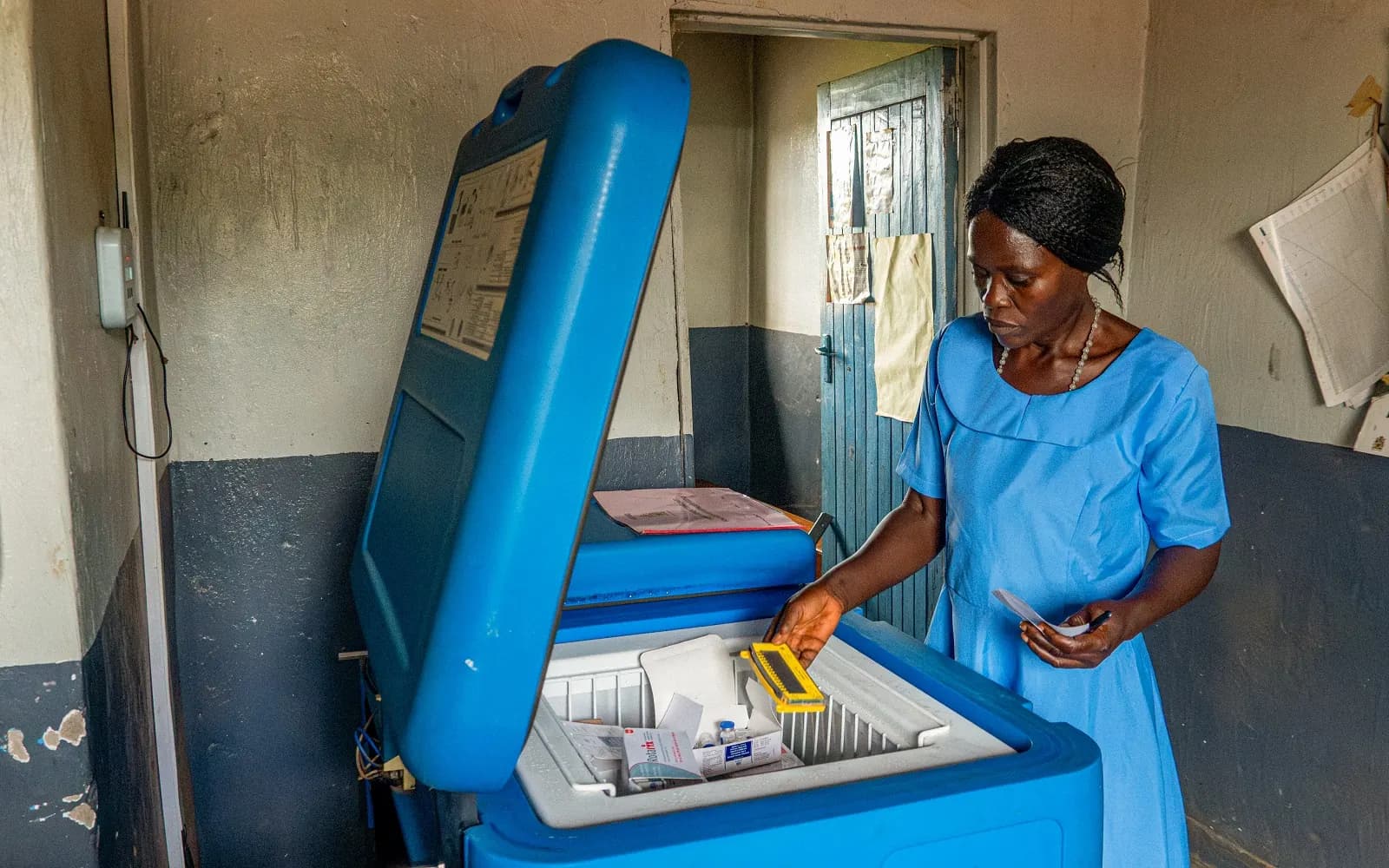
Cold-chain protection for vaccines and medications
Solar-powered medical-grade refrigerators maintaining consistent temperature for vaccine storage.
Track energy usage and environmental impact
Real-time monitoring dashboard for energy consumption, efficiency metrics, and carbon footprint tracking.
Evaluate and strengthen facility climate readiness
Comprehensive assessment of climate risks and resilience strategies tailored to your site.
Backup systems
If you already have grid power, a backup system is often the faster, lower-cost first step. It keeps critical equipment running through outages, and it can grow into a full AfyaSolar system later.
Room to grow
Start with backup, add solar panels when budget allows, then expand into a health microgrid that serves the wider community. Every stage reuses what you already installed.
For grid-connected sites
Charges from the grid when power is available and carries your critical equipment through outages, with no panels required.
Start now, add panels later
The same battery and inverter, sized and wired so solar panels can be added when budget allows, without replacing the system.
Critical loads only
A smaller solar and battery system sized for the equipment that must never stop, rather than your full daily demand.
What backup keeps running
We size every system from your actual equipment list during the site assessment. All three payment options below apply to backup systems too.
How we deploy
A clear, four-step process with no hidden costs and continuous support after installation.
Step 1
We measure your loads, outages, and operating costs.
Site survey · Load profile · Baseline diesel / cost
Step 2
Choose flexible payment options tailored to your budget.
No hidden costs · Clear service terms
Step 3
Remote monitoring tracks uptime and temperature, with real-time alerts to WhatsApp or SMS.
Predictive maintenance · Cold-chain alerts
Step 4
Cut waste, improve efficiency, and strengthen revenue and operational performance.
Efficiency tracking · Leakage flags · Credit readiness
Free tool
Use the solar design and cost analysis tool to calculate your energy requirements, estimate costs, and design the right solar solution for your site.
Modular by design
AfyaSolar can be deployed as a simple resilience upgrade or expanded into a full site energy system.
For dispensaries, small clinics and shops
Reliable solar power for daily operations.
For dispensaries, health centers and food businesses
Protect vaccines and support safe water access.
For health centers, polyclinics, pharmacies, labs and growing businesses
Improve energy visibility and facility resilience.
For larger sites and multi-site networks
Scale one facility into a local energy hub.
Health microgrids
The health facility becomes the anchor: the central hub that powers and connects the entire local health ecosystem.
Health facility (anchor)
Why it’s different
Payment options
Energy-as-a-Service, pay-as-you-go instalments, or an outright cash purchase. Every option covers full solar systems and backup systems, and includes installation, monitoring and support.
Pay a small initial cost, then a monthly subscription for reliable power, instead of buying a system.
How it works
Spread the cost of your own system over agreed instalments.
How it works
Buy the system outright and own it from day one.
How it works
Also available for programs and networks
Larger deployments can combine any payment model with these routes.
Final pricing depends on your equipment list, outage hours and site conditions. A free consultation and site assessment give you a costed proposal for each option.
Request a site assessment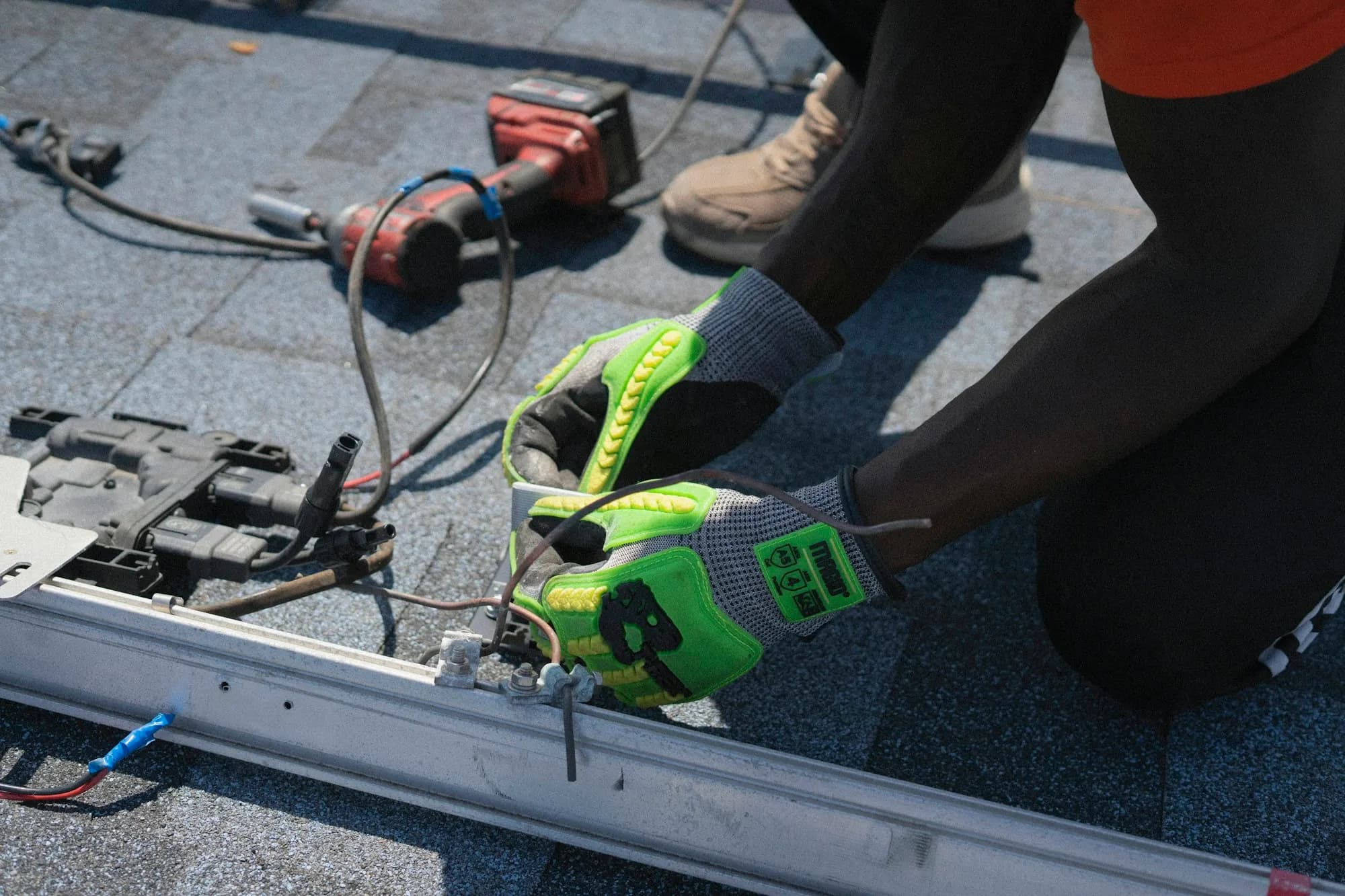
Free initial consultation
Our team will evaluate your needs and design a tailored solution: a free initial consultation, a custom solution design, and expert technical support. Response within 24 hours.